Protein powder changes pancake batter in two ways: it soaks up more liquid than the flour it replaces, and it firms up as it cooks. Stiff batter, rubbery centers and flat stacks mostly start with one of those two. We make a plant protein powder ourselves.

Our protein
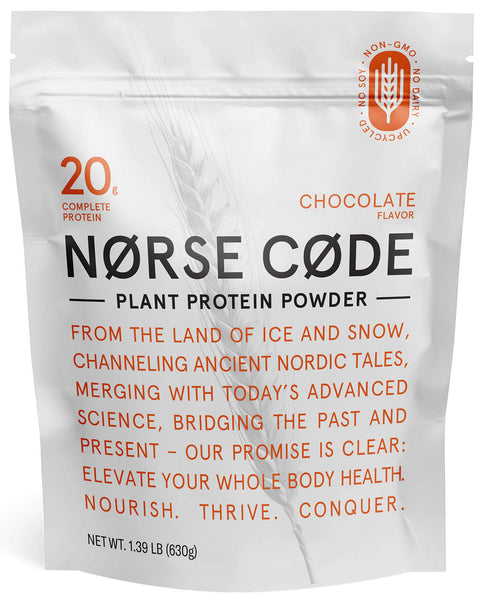
55% preferred it in a blind taste test. 20g protein per serving, no artificial sweeteners or fillers.
$49.99 for 1 bag, 14 servings. 60-day money-back guarantee, no questions asked.
Why do protein pancakes turn out rubbery?
Protein sets firm when it is heated, and flour does not. A batter that is mostly powder cooks into something springy instead of soft. Stirring the batter past the point where the streaks of flour disappear makes it worse, so mix until the dry patches are gone and stop.
Stop stirring once the dry streaks disappear, even if that's under a minute. Lumps are fine. A batter with a few small lumps and a few flour streaks will cook up lighter than one whisked smooth. If your last stack came out rubbery, the first thing to change is how long you stirred, and the second is how much powder went in.
How much protein powder can you put in pancake batter?
Swap about a quarter of the flour for powder, then adjust on the next batch. That keeps enough starch in the batter to stay tender. Going to half or more is where most rubbery stacks come from.
Measure it with the same cup you use for the flour. If the recipe calls for one cup of flour, take out a quarter cup and put in a quarter cup of powder. Keep that ratio the same from batch to batch so you can compare results. If that stack was good and you want more protein, move up by a tablespoon at a time, and expect to add liquid as you go.
Does protein pancake batter need more liquid?
Usually, yes. Powder soaks up more liquid than the flour it replaces, so a batter made with the usual amount comes out stiff. Add a splash of milk at a time until the batter falls off the spoon in a thick ribbon.
Lift your spoon out of the bowl and watch it. A batter that holds a mound on the spoon and drops in a lump is too stiff and will cook dense. One that runs off in a thin stream is too loose and will spread into a crepe. You want the in-between: a slow, thick fold that settles back into the bowl in a few seconds. If you overshoot, a spoonful of flour fixes it faster than anything else.
What makes protein pancakes fluffy?
Fresh baking powder, a five-minute rest before the first pancake, and a pan on medium or medium-low heat. The rest lets the powder finish soaking up liquid, and the lower heat lets the middle cook before the outside sets.
Check the date on your baking powder tin. If it has been open since last winter, replace it, because old baking powder is the usual reason a stack won't rise. While the batter rests, put the pan on the stove and flick a few drops of water onto it. They should skitter across the pan and fade away. Pour a test pancake the size of your palm and look at the edge: bubbles that pop and leave holes mean it is ready to flip.
Can you make protein pancakes without eggs?
Yes. Mashed banana, plain yogurt or a ground-flax paste can take the egg's place. The pancakes come out denser, so lean on the baking powder and keep the pan heat low so the center cooks through.
For the swap, start with a quarter cup of mashed banana or yogurt for each egg and see how the batter looks before you add more. Banana adds sweetness, so trim the sugar in the recipe to match. Yogurt thickens the batter, so you may need a little less milk than usual.
Does the flavor of the powder matter in pancakes?
It matters more than in a shake. Whatever sweetener and flavor the powder brings goes into the whole stack, so cut the sugar in your recipe to match. Vanilla suits a plain stack, and chocolate suits a chocolate one.
Stir a spoonful of the powder into a little milk and taste it before you commit a whole batter. If you like it there, you know the flavor is not the problem.
Check the sweetener on your tub too, because it decides how much recipe sugar to cut. Our powder is sweetened with allulose and monk fruit at 0g sugar, so any sugar in the stack comes from your recipe, and that is the only amount you need to adjust.
How do you store and reheat protein pancakes?
Cool them on a rack, then freeze with a square of parchment between each one. Reheat from frozen in a toaster. A microwave warms them quickly but softens the outside, and a toaster brings back some of the crisp edge.
Make the full batch on Sunday and bag them in twos, so a weekday breakfast is a single bag from the freezer. Keep them flat in the bag until they are frozen solid, then you can stack them. They hold well for a couple of weeks.
Conclusion
If your stack is still rubbery, fix the stirring first, because it costs nothing to test. Then lower the powder to a quarter of the flour, and turn the pan down last. Change only one of these per batch, and cut the first pancake in half to read the result. A springy, bouncy crumb points to stirring or too much powder, and a burnt outside with a raw middle points to the pan being too hot.
Ready to try it?
Backed by a 60-day money-back guarantee. If it is not the smoothest protein you have had, send it back.
Shop NØRSE CØDE