Soy protein comes up in almost every protein-powder search because it used to be the default plant protein, long before pea and rice blends took over the shelf. Here's what it actually is, what the safety questions are really about, and why a growing number of plant proteins, ours included, leave it out.
What is soy protein, exactly?
Soy protein is protein extracted from soybeans, sold as protein isolate, concentrate, or textured soy protein, and used in everything from protein powders to veggie burgers to infant formula. Isolate is the most processed form, stripped down to almost pure protein; concentrate keeps more of the bean's original fiber and carbohydrate. Whatever the form, the starting crop is the same, and it has been in commercial use since the 1960s.
Does soy protein carry every amino acid the body needs?
Yes, in meaningful amounts. That is a big part of why soy became a default plant protein source for decades, well before pea and rice blends existed as a real alternative on a shelf. A modern blend built from two or three plant sources is usually chasing the same thing soy already did on its own, from a different set of crops entirely.
Does soy protein raise estrogen or affect hormones?
This is the question that follows soy protein into almost every conversation about it. Soybeans contain isoflavones, plant compounds that can bind loosely to estrogen receptors, and the concern usually traces back to studies done on animals fed very high, concentrated doses. Research on typical human dietary intake, including in people who eat soy daily, has not found the hormonal disruption the rumor implies. It's a fair question to ask about anything you drink every day, and the current evidence answers it.
Why do some protein powders avoid soy entirely?
Soy sits on the FDA's list of nine major food allergens, right alongside milk, eggs, and tree nuts, so anyone with a soy allergy needs it fully off the label. It's also one of the most widely grown crops modified for herbicide tolerance, which matters to shoppers who specifically want a non-GMO ingredient list. Building around pea, rice, or another base sidesteps both questions in one formulation choice.
How does soy protein compare to pea, rice, or whey?
Soy sits close to whey and ahead of pea or rice used on their own, which is exactly why most modern plant blends combine two or three sources rather than relying on one. Pea brings what rice lacks; rice smooths out a chalky pea aftertaste that shows up when pea protein is used by itself. In a blind taste test, more people chose NØRSE CØDE than the other two proteins in the panel combined.
Is soy protein hard to digest?
Some people report bloating or a heavy feeling after soy protein isolate, which tends to be a processing and fiber question more than something unique to soybeans. The same complaint shows up with several plant and dairy proteins depending on how aggressively they're processed and what, if anything, gets added back in for texture. One customer wrote about our own formula: "This is the first plant protein powder I've tried that doesn't make me gassy or bloated. The chocolate tastes great and I drink it almost every day and still love it." Prebiotic acacia fiber travels alongside the protein in our blend to work with digestion, whatever the protein source.
Is NØRSE CØDE soy-free?
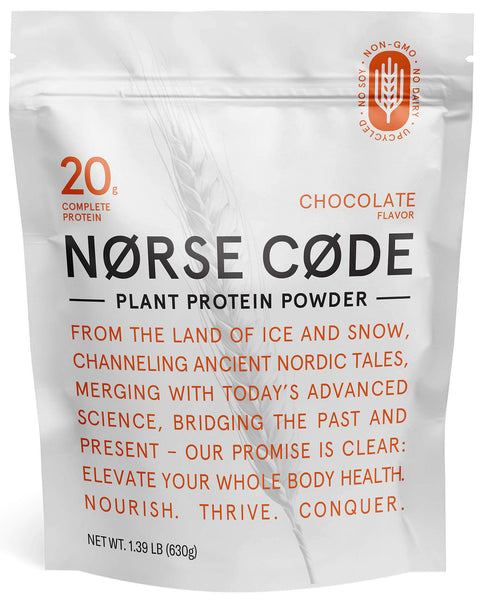
Yes. NØRSE CØDE's blend is pea, rice, and barley protein, with no soy anywhere in the formula, and no dairy or gluten either. We make it ourselves in our own facility in Petaluma, California, after more than a thousand formulation iterations over two years, and the badge on the front of the pouch spells out non-GMO, no soy, no dairy in plain print.
What should I actually check on a protein powder label if soy is a concern?
Read the ingredient list itself. The marketing on the front of the tub is a separate document. Soy protein isolate, soy lecithin, and textured soy protein can all show up in a formula that calls itself a "plant protein blend" or leads with pea or rice on the label. Lecithin especially hides in small amounts as an emulsifier, so a product can be technically soy-free in its main protein source and still carry soy in a minor ingredient. The full list, top to bottom, answers the question for certain.
Anyone comparing us specifically against a soy-based competitor should read NØRSE CØDE vs Vega for a full side-by-side, and against Garden of Life's sprouted blend, NØRSE CØDE vs Garden of Life covers the same ground. For the full breakdown of what's actually in ten different ingredient lists, see best protein powder brands for avoiding lead and heavy metals.
Ready to try it?
Backed by a 60-day money-back guarantee. If it is not the smoothest protein you have had, send it back.
Shop NØRSE CØDE